Cutting the cord used to be simple—swap cable for streaming and call it a day. But now? With IPTV popping up everywhere, things get murky fast. People are asking, “Is IPTV legal in the US?” and not getting straight answers. It’s no wonder folks feel like they’re walking a legal tightrope just trying to watch TV. To get grounded, start with what IPTV actually means and see our deep dive on the topic, is IPTV legal in US.
Think of IPTV like buying food at a market—some vendors have permits, some are selling out the trunk of their car. One feeds your family legally; the other might land you in hot water. “Streaming pirated content is no different than stealing DVDs,” said a U.S. copyright official. And trust us, the fines aren’t cheap—criminal copyright penalties can reach up to 10 years for repeat felony offenses under U.S. law (18 U.S.C. § 2319; DOJ overview here). The Digital Millennium Copyright Act (DMCA) is also a key framework for online streaming and anti-circumvention (U.S. Copyright Office).
This article breaks down what IPTV actually is, how to spot shady services, and which platforms are safe (and legal) to use in 2025. No fluff—just the facts you need before hitting that subscribe button.
Is IPTV Legal to Use in the US?
“I once subscribed to a cheap IPTV service promising access to every major sports channel. It felt too good to be true — and it was,” shares Michael T., a retired cable technician from Phoenix. “One day, it just vanished. Later, I found out it was streaming copyrighted content without permission. I could have faced legal consequences without even knowing it.” Stories like this are common because illegal IPTV operations are frequently disrupted by anti-piracy coalitions (see recent ACE enforcement actions shutting down illegal IPTV services worldwide example and coverage here).
Michael’s experience reflects a growing issue in the world of online streaming. IPTV, or Internet Protocol Television, delivers live TV and on-demand content over the internet. Whether it is legal to use in the US depends on a few key legal frameworks — and the provider's adherence to them.
Legal Use of IPTV in the US:
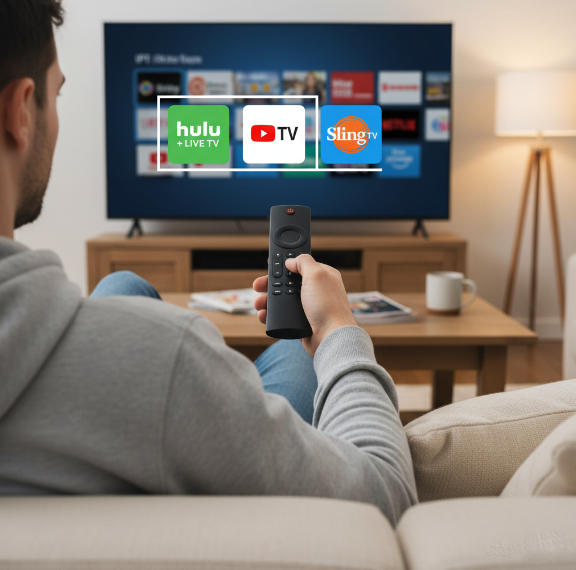
IPTV is legal when delivered by legitimate providers such as Sling TV, Hulu + Live TV, or YouTube TV.
These platforms hold proper content licensing agreements and comply with both federal laws and state laws (e.g., the DMCA and consumer-protection rules).
Illegal Use:
Streaming from unauthorized streams—which do not have rights from content owners—violates copyright law (see the Copyright Office’s discussion of illegal streaming under the ART/NET Acts and related frameworks here).
Such piracy often bypasses the Digital Millennium Copyright Act (DMCA), risking significant penalties under federal law (DOJ penalties overview; statutory text at 18 U.S.C. § 2319).
Key Signs of Legitimacy:
Transparent pricing and service terms (compare an official IPTV subscription offer with itemized plans)
Published licensing details and compliance statements (see Copyright Office’s DMCA primer for context)
No promotion of using a VPN to “hide activity”
“Using IPTV is perfectly legal. What matters is whether the provider is distributing the content with the appropriate rights. The user shares responsibility if the service is clearly pirated.”
Understanding the legal framework is more than compliance — it is about protecting users from scams and legal exposure. Services awarded industry certifications or backed by recognized media groups usually signal trust and authenticity (see the anti-piracy coalition ACE and its ongoing takedowns here).
For any streaming enthusiast or cord-cutter, the question is not only “Can I use IPTV?” — it is “Am I using IPTV from a source that respects content creators, licensing rights, and the law?” If you’re evaluating a provider, you can also trial a plan safely using an IPTV free trial before committing.
Legal IPTV vs Illegal IPTV
Understanding the contrast between legal and illegal IPTV helps protect users from security threats, poor streaming quality, and legal trouble. Here’s how to spot the difference.
1. Licensed IPTV platforms with official rights
Licensed IPTV platforms operate with the correct licenses and rights from content providers, ensuring users receive legal access to premium content. For example, vetted services like Sling TV, Hulu + Live TV, and YouTube TV publish channel lineups and carriage information.
These platforms usually offer:
Monthly or annual subscriptions (compare official IPTV subscription plans and terms)
Verified channel lineups
Official support and customer service (see StarIPTV’s IPTV setup guide and FAQ)
Using licensed platforms like Sling TV, Hulu Live, or YouTube TV not only avoids legal issues but also guarantees stable streaming and high-quality content.
2. Why illegal IPTV is high-risk
Messing with illegal IPTV services might seem like a sweet deal at first—but it’s a minefield.
Malware? Yep. Hidden in shady links (see anti-piracy coalition notes and consumer risks referenced by ACE newsroom, and a recent media report on shutdowns and consequences Forbes).
Privacy? Compromised. Your data might be stolen or sold (industry enforcement briefings and legal analyses note elevated risks; e.g., Vondran Legal).
Legal action? You bet. U.S. laws like the Protecting Lawful Streaming Act target commercial streaming piracy (see legislative overview from Sen. Coons’ office—note it targets operators, not typical end users—here and legal analysis here).
It’s not just about bad quality — it’s about risking your cybersecurity and freedom.
3. How pirated IPTV bypasses copyright laws
Pirated IPTV services operate by distributing unlicensed content without proper copyright permissions from original rights holders. For an official grounding on how U.S. law addresses online infringement and anti-circumvention, see the Copyright Office’s DMCA guidance (overview).
Here’s how the evasion typically works:
Streams are captured from official broadcasts.
Content is redistributed without authorization.
Users unknowingly access copyright-infringing material.
This practice violates intellectual property laws and puts both the distributors and users at legal risk, especially in jurisdictions like the U.S. with strong DMCA enforcement (U.S. Copyright Office).
4. Legal IPTV vs free streaming websites
Let’s compare the experience:
| Feature | Legal IPTV | Free Streaming Sites |
|---|---|---|
| Legality | Fully licensed (e.g., YouTube TV, Hulu + Live TV, Sling TV) | Often illegal (subject to takedowns like those reported by ACE) |
| Content quality | HD / 4K, consistent | Low, unreliable |
| Security | Safe & encrypted | Prone to malware and privacy risks (see enforcement reports and consumer advisories noted by ACE) |
How to Identify Legal IPTV Services

Check licensing info before subscribing
Before you hand over your money, check the licensing information of the IPTV service. Legit providers usually display their official licenses, content rights, and compliance with regulatory bodies. U.S. accessibility and video rules for internet-delivered programming are documented by the FCC (e.g., IP video captioning rules overview).
Look for details about partnerships with content owners (major services like Disney+, HBO Max, and Netflix clearly state rights and originals).
Validate license numbers or links if listed.
Avoid services that hide or skip this info — that’s a red flag.
Remember, a legitimate subscription guarantees provider legitimacy and keeps you on the right side of the law. If you’re testing the waters, consider an IPTV free trial and review the IPTV setup guide to ensure your device is supported.
Watch for signs of illegal providers
Illegal IPTV services often make it too good to be true — and that’s your cue to dig deeper.
Here’s what to watch for:
❌ Unrealistic pricing (like 1,000+ channels for $5/month)
❌ Missing contact information
❌ Poor streaming quality and zero customer support
❌ No terms of service or refund policy
❌ Streaming unauthorized content (e.g., Netflix originals) without permission (remember, originals are exclusive—see Only on Netflix).
These are big signs of copyright infringement. If it smells fishy, it probably is. Don't get caught streaming with an illegal IPTV. For a buyer’s reality check, read: Is IPTV a scam.
IPTV services listed by official sources
Finding a trustworthy IPTV provider? Stick with official websites, government agencies, and authorized distributors. These sources regularly publish vetted lists of legal IPTV services.
| Source Type | Example Website | Info Provided |
|---|---|---|
| Government Agency | FCC.gov | Captioning & compliance rules for IP video |
| Content Provider | Disney+, HBO Max, Netflix | Authorized streaming rights & originals |
| Authorized Reseller | Roku Channel Store, Amazon Appstore (Fire TV) | Verified IPTV/streaming apps |
Following trusted sources means you’re choosing from verified providers with proper content deals. That’s peace of mind right there. If you need a turnkey starter plan with clear terms, see our IPTV Packages and explore a timed IPTV free trial.
Conclusion
A lot of folks think streaming through IPTV is just like flipping cable channels—but it’s not always that simple. Some services are squeaky clean, others? Not so much. If it sounds too good to be true, it probably is.
“Unauthorized streaming can carry criminal penalties,” warns the U.S. Copyright Office. That’s not just fine print—it’s the real deal (see the DMCA overview here and criminal penalties under 18 U.S.C. § 2319).
To keep things above board, stick with providers that are upfront about licensing. Don’t trade peace of mind for a few bucks saved. If you’re ready to test a compliant service with transparent terms, check an IPTV subscription or start with an IPTV free trial—and use the IPTV setup guide to get running fast.
IPTV FAQ
Is IPTV legal in the US?
Yes, IPTV itself is legal in the United States. What matters is whether the service you’re using has the proper licenses to distribute the content. If it does, you’re in the clear. If not, you may be watching pirated streams, which could put you at risk.
What is the difference between legal and illegal IPTV?
Legal IPTV: Services like Sling TV, YouTube TV, or Hulu + Live TV that have contracts with broadcasters.
Illegal IPTV: Providers offering thousands of channels for extremely low prices, usually without rights or licenses.
Key takeaway: legality is tied to whether the provider pays for distribution rights.
Can I get fined for using illegal IPTV?
Yes, in certain cases. While most prosecutions in the U.S. target providers rather than viewers, there are still risks for users. Penalties can include fines, account shutdowns, and in severe cases, legal action if there’s evidence of intentional piracy.
How do I know if an IPTV service is safe?
Check if the provider is well-known and listed on official app stores.
Look for transparency about licensing and partnerships.
Avoid “too good to be true” pricing.
Search for user reviews outside of the provider’s own website.
What are examples of legal IPTV services in 2025?
Sling TV
YouTube TV
Hulu + Live TV
FuboTV
These services are licensed, widely recognized, and accessible via official platforms.
Is watching IPTV the same as streaming movies illegally?
Not always. IPTV is a delivery method, not a crime. Watching Netflix, Hulu, or YouTube TV via IPTV is perfectly legal. Streaming pirated movies or sports through shady IPTV providers is where it crosses into illegality.
What happens if I use a pirated IPTV box?
Short answer: you take on risk. Law enforcement often cracks down on sellers and distributors, but end-users can still lose money or access. Worse, pirated IPTV boxes often come with malware that compromises your personal data.
Are free IPTV apps legal?
Some are, many aren’t. Free legal apps like Pluto TV or Peacock Free operate with ads and proper licensing. Others that offer premium sports, movies, or pay-per-view events without charge are almost certainly illegal.
How do US laws treat IPTV piracy?
The U.S. enforces IPTV piracy under acts like the Digital Millennium Copyright Act (DMCA) and the Protecting Lawful Streaming Act (PLSA). These laws specifically criminalize the distribution of unauthorized streams and make it easier for authorities to shut down illegal providers.
Last updated on 2025-10-30