smart-iptv sounds like a steal, but that “free” label can bite hard when systems crash, streams stutter, and customers start knocking. In business, cheap shortcuts don’t stay cheap for long.
For hotels, resellers, and large setups, the real game is uptime, legal safety, and steady revenue. Pay now or pay later—because shaky IPTV setups quietly drain cash, patience, and reputation.
➔ Understand IPTV Basics: Delivers live and on-demand TV over broadband, replacing cable/satellite with flexible streaming.
➔ Embrace Smart-IPTV Features: App-based playlists, advanced interfaces, and device-agnostic access without extra hardware.
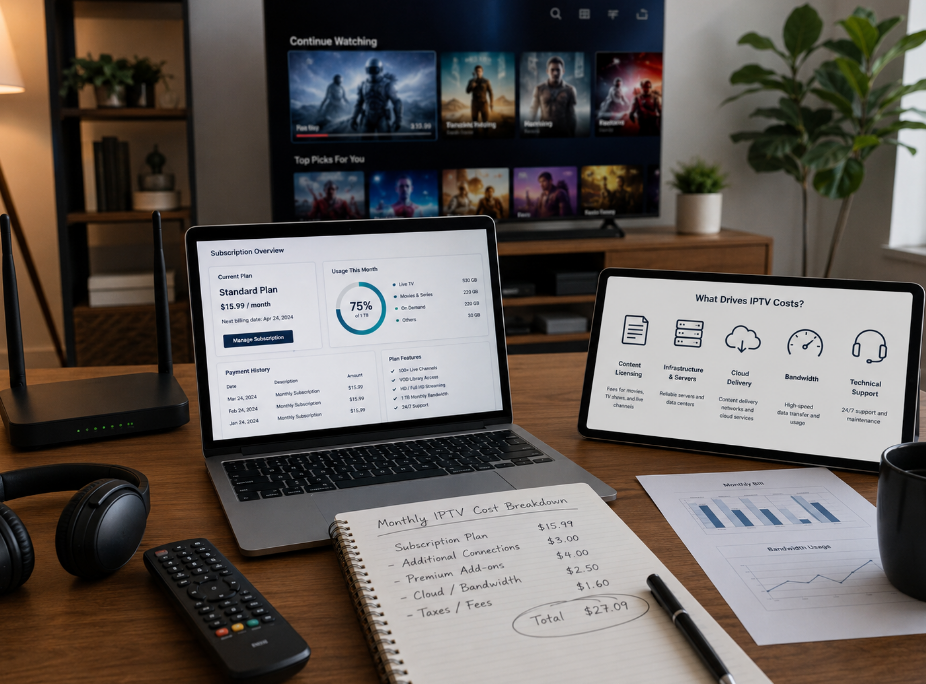
➔ Factor in True Costs: Server infrastructure, licensing fees, and ongoing support drive real expenses beyond “free” claims.
➔ Watch for Hidden Charges: Subscription renewals, premium add-ons, and required hardware can quietly raise your total spend.
➔ Calculate ROI Early: Compare savings to cable, estimate uptime gains and customer retention, and pinpoint your break-even moment.
What Is IPTV Vs. Smart-IPTV
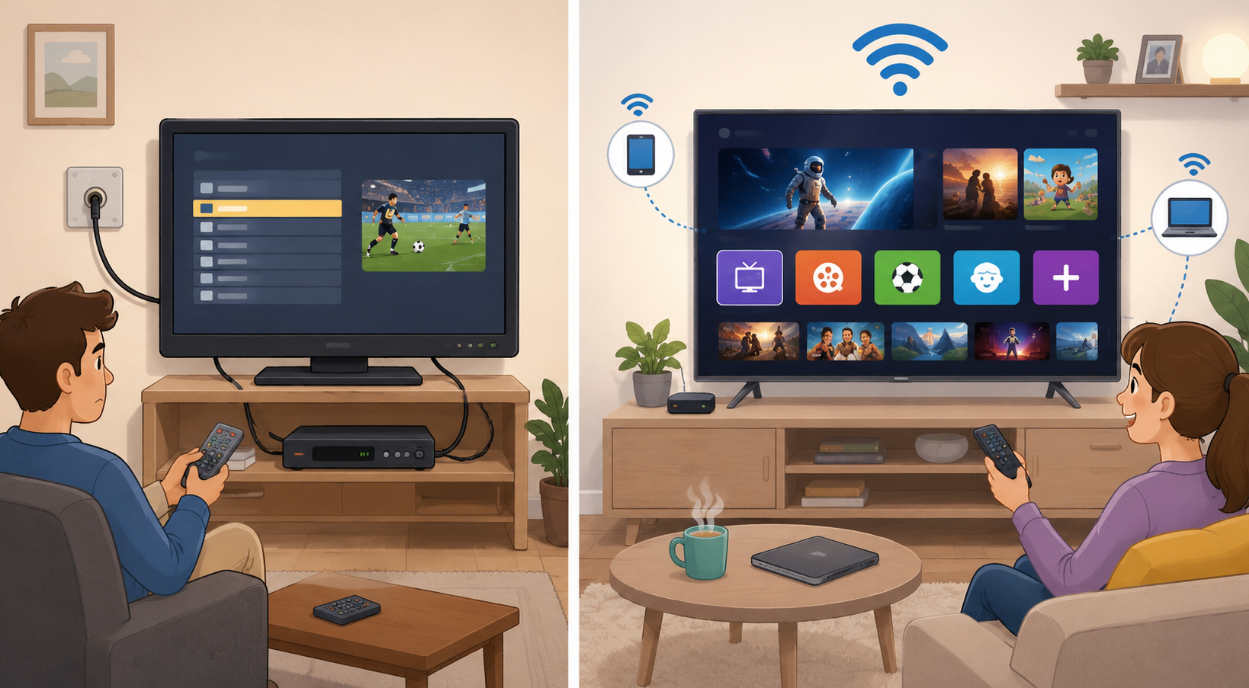
Streaming has changed how people watch television, and the shift from cable to internet-based viewing is now everyday talk. To keep it simple and real, let’s break down IPTV and smart-iptv in a way that actually makes sense for daily users.
IPTV
At its core, IPTV runs on three main building blocks:
Delivery System
Internet connection replaces satellite dishes
Data flows through protocol standards (IP-based)
Content travels across a managed network
Content Structure
Live channels
Time-shift replay
On-demand streaming libraries
Service Layer
Subscription-based service models
Multi-device access (TV, phone, tablet)
Controlled content distribution
Here’s how it typically works in real life:
You subscribe to a provider like Stariptv.
The streaming data is transmitted via broadband.
Your device decodes the television signal using internet protocol technology.
It’s basically cable rebuilt on the internet, cleaner and more flexible.
Industry data backs this up:
“The global IPTV market continues steady growth driven by broadband penetration and on-demand viewing behavior,” notes a 2025 update from Statista’s media research division.
IPTV keeps things centralized. The provider manages the network, controls the channels, and delivers a structured service experience.
Smart-IPTV
Now let’s split the term smart-iptv into its parts:
Smart → runs on a smart device
IPTV → internet-based television delivery
So, what makes smart-iptv different?
Application Layer
Installed as an application
No extra box required
Works directly on a platform like Smart TV OS
User Control
Playlist editing
Custom interface themes
Personalized access settings
Experience Upgrade
Faster switching
Cleaner user experience
Advanced playback features
Unlike traditional IPTV tied tightly to a provider’s hardware, smart iptv apps let the user manage sources. A smart-iptv setup often means you load playlists into the app yourself.
With providers such as Stariptv, smart-iptv becomes even smoother, since the platform is optimized for stable streaming and organized content libraries.
In short:
IPTV = managed service through a provider’s controlled network.
smart-iptv = app-driven experience on your own smart device.
Both rely on internet protocol delivery. The difference is control, interface design, and how flexible the access feels day to day.
3 Key Factors Determining Smart-IPTV Costs
Smart-iptv pricing isn’t pulled out of thin air. Behind every smooth stream sits hardware, legal agreements, and a crew keeping things stable. When people compare smart iptv services or explore IPTV smart TV options, cost differences usually trace back to three pressure points below.

Server Infrastructure Expenses
When a smart-iptv platform scales, infrastructure spending rises in layers.
Core Physical Assets
1.1 Servers
1.2 Hardware
1.3 Data centers
Geographic redundancy
Rack systems
Load balancers
High-performance CPU clusters
GPU acceleration for transcoding
Network Delivery Stack
2.1 Bandwidth allocation
2.2 Networking equipment
2.3 Cloud services
Elastic scaling
Backup instances
Edge routers
Firewalls
Peak-hour traffic handling
International routing stability
Storage & Continuity
3.1 Storage clusters
3.2 CDN integration
Regional nodes
Latency balancing
SSD caching
Long-term media archiving
| Cost Component | Avg Monthly Cost (USD) | Scalability Impact (%) | Downtime Risk Reduction (%) |
|---|---|---|---|
| Dedicated Servers | 8,000 | 35 | 40 |
| Global Bandwidth | 5,500 | 30 | 25 |
| Cloud Backup Systems | 3,200 | 20 | 15 |
| CDN Distribution Layer | 4,000 | 25 | 35 |
For brands like Stariptv, smart IPTV uptime is tied directly to how well these data centers, bandwidth, and cloud services scale during match nights or big premieres. Cut corners here, and buffering shows up fast.
Content Licensing Fees
Streaming isn’t just tech—it’s paperwork and payments.
Agreements with content providers
Contracts signed with broadcasters
Distribution deals for premium channels
Licensing usually unfolds in numeric tiers:
Regional rights for local programs
Multi-country access to studio libraries
Exclusive global rights under formal agreements
A smart-iptv operator pays differently for sports than for classic films. Premium studios charge more for early-release access, while niche channels may bundle pricing for scale.
Short bursts of cost drivers:
High-demand sports spike fees.
Exclusive dramas increase bidding wars.
Expanding into new regions means renegotiating rights.
Stariptv balances IPTV smart delivery with legally structured contracts, keeping smart iptv services aligned with regional compliance while staying competitive on subscription pricing.
Maintenance & Support Charges
Even the best smart-iptv setup drifts without constant care. Ongoing costs flow into people and process.
Inside operations teams:
Technical staff handling backend logs
Security engineers tightening security layers
Dev teams pushing updates
Daily workflow often follows a loop:
System monitoring detects anomalies.
Rapid troubleshooting isolates faults.
Patch deployment through controlled software rollouts.
Performance validation and minor upgrades.
Customer-facing elements matter just as much. Responsive customer service reduces churn. Quiet overnight updates prevent disruption. Scheduled upgrades keep the smart iptv app smooth on IPTV smart TV devices.
In short, smart-iptv costs don’t just buy streaming—they fund resilience, legal clarity, and real humans keeping the signal clean.
Is Smart-IPTV Really Free?
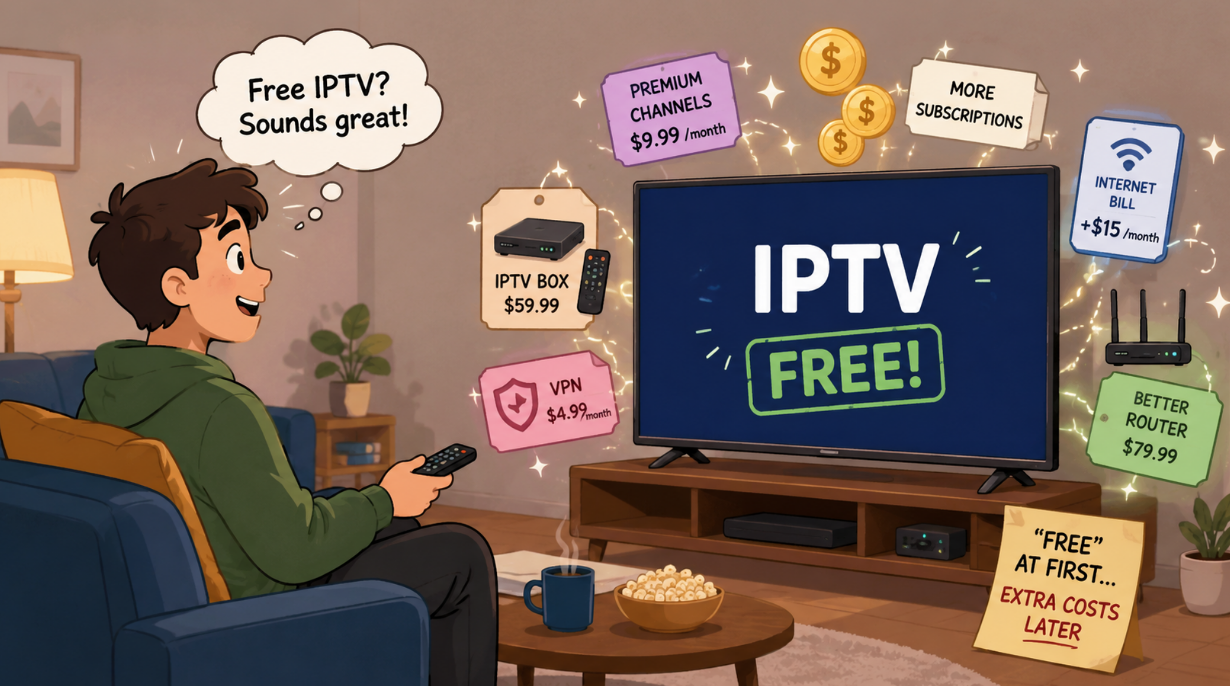
Streaming looks cheap at first glance. A quick search for smart-iptv brings up bold claims about “free access” and “unlimited content.” But once you break down smart iptv, smart television IPTV apps, and IPTV smart TV setups, the costs often stack up quietly. Let’s unpack where the money really goes.
Beware of Hidden Subscription Fees
Many smart-iptv platforms advertise zero upfront Subscription costs. The catch usually hides inside the fine print.
Initial Access
Free app download
Trial Membership period
Limited playlist access
Ongoing Use
Playlist Fees
Monthly Payments
Auto-renew Recurring Billing
Premium Locks
HD unlock Charges
Multi-screen Membership tiers
Early content access
Short version? Free rarely stays free.
• Trial ends quickly
• Renewal is automatic
• Cancellation isn’t always obvious
According to Deloitte’s 2025 Digital Media Trends report:
“Consumers increasingly underestimate the cumulative monthly cost of streaming subscriptions, with average households managing four or more paid services.”
That insight hits home for smart-iptv users juggling multiple playlists. Even budget-friendly providers like Stariptv encourage checking renewal cycles carefully. Smart TV IPTV access sounds casual, but unmanaged Billing adds up fast.
Necessary Hardware Investments
Streaming through smart-iptv isn’t just about apps. Hardware matters.
You may need:
A compatible smart television IPTV-ready screen
Streaming Devices
Stable high-speed internet
Router upgrades
Here’s a realistic cost snapshot:
| Item | Basic Option ($) | Mid-Range ($) | Premium ($) | Replacement Cycle |
|---|---|---|---|---|
| Smart TV | 300 | 700 | 1500 | 5–7 yrs |
| Streaming Device | 40 | 80 | 200 | 3–5 yrs |
| Router | 60 | 150 | 350 | 3–4 yrs |
| Internet Plan (Monthly) | 40 | 70 | 110 | Ongoing |
Even if smart-iptv access is marketed as free, the Equipment, Setup, and supporting Components are not.
Then there’s maintenance. Firmware updates. Occasional device swaps. It’s not dramatic—but it’s real money.
Add-On Service Charges
Add-ons are where IPTV smart TV services quietly scale revenue.
Base Access
Standard channel Content
Limited Features
Upgrade Layer
Premium sports Add-ons
Movie Upgrades
Cloud DVR Services
Expansion Tier
Regional language packs
Cultural Premium libraries
Family sharing
Extra simultaneous screens
Multi-device streaming
International channel bundles
Some upgrades look small—$3 here, $5 there. Stack enough Charges, and the monthly total rivals cable.
✓ Sports pack
✓ Multi-room access
That’s why experienced users compare total Services pricing before committing. A carefully chosen provider like Stariptv can keep optional Features transparent, but the responsibility still sits with the user.
So, is smart-iptv free? Technically, sometimes. Financially? Only if you watch every Fee, every Upgrade, and every quiet little Charge.
Smart-IPTV Free Trial Limits
Trying a smart-iptv service sounds easy—click, stream, chill. Yet most smart iptv apps and IPTV smart players come with guardrails during the trial phase. Knowing these limits helps you test smarter, not longer, and decide if the smart television IPTV setup fits your daily binge habits.
Time Duration Restrictions
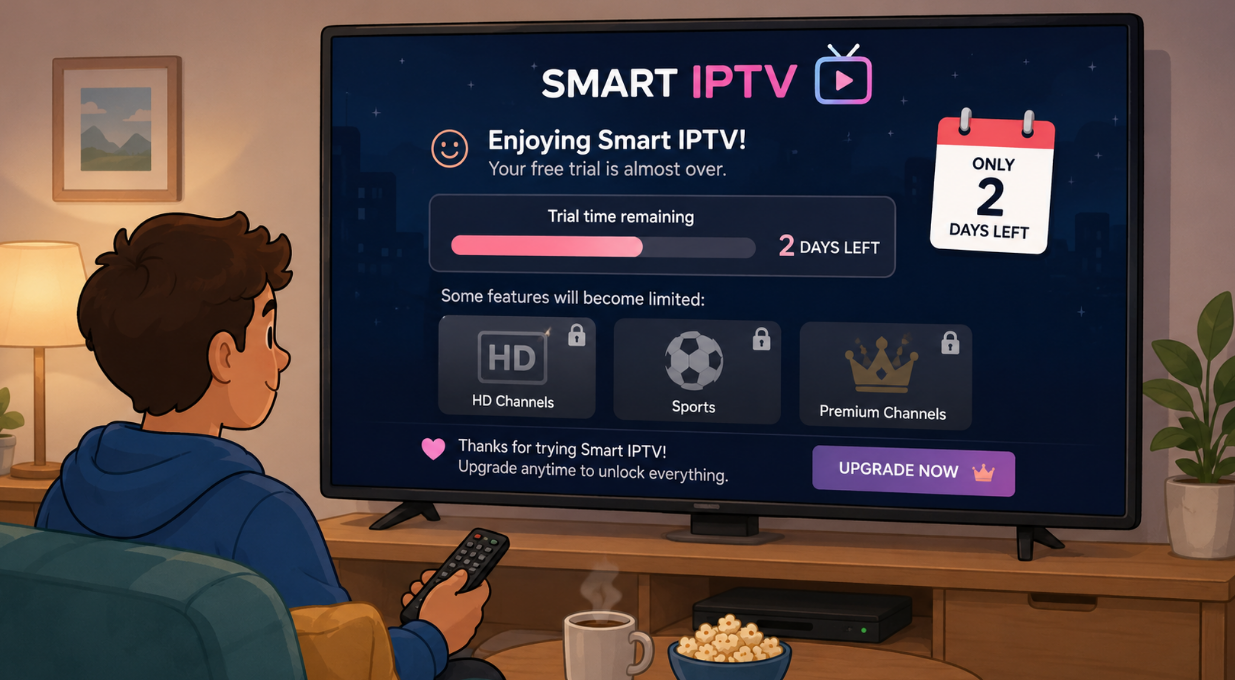
Free access usually runs on a tight trial period, controlled by a visible countdown and fixed expiration date. For smart-iptv users, that clock matters.
Trial Structure
Duration often ranges from 24 hours to 7 days.
A strict validity window begins at activation.
A predefined timeframe blocks extended testing.
System Controls
Renewal link
Upgrade prompts
Remaining usage limit
Exact expiration
Auto-deactivation notice
Account dashboard displays:
Email reminders may include:
User Impact
Limited time to test stream stability.
Hard to assess peak-hour buffering.
Minimal space for long-term content tracking.
“Consumers are increasingly sensitive to subscription transparency and cancellation clarity,” notes Deloitte’s 2025 Digital Media Trends report, highlighting how short trials influence buyer trust.
Services like Stariptv often make the remaining timeframe clear upfront, reducing guesswork during evaluation.
Feature Access Boundaries
A free smart-iptv trial rarely unlocks the full content library. Access is filtered.
Access Tiers
4K streaming
Advanced functionality
Full sports bundles
Standard channel selection
Limited playback options
Basic access includes:
Premium features often exclude:
Technical Limits
Resolution limits may cap at 720p.
DVR or catch-up disabled.
Restricted international channels.
Experience Gaps
Incomplete testing of IPTV smart player tools.
No view of premium movie catalogs.
Reduced personalization settings.
Stariptv, for example, separates basic access from premium features clearly, so users know what’s missing before upgrading.
Concurrent Device Caps
Households streaming smart-iptv across rooms quickly hit the device limit.
Connection Rules
Fixed device count per account.
Defined number of simultaneous streams.
Monitoring of active sessions.
Multi-Screen Reality
Living room TV
Bedroom tablet
Mobile smart IPTV app
Account Controls
Remove old hardware
Review login history
Track multiple screens
Manage connected devices through dashboard:
If one stream starts, another may stop. That’s the trade-off. Testing smart-iptv under real family conditions quickly shows whether those caps match your daily routine—or drive everyone a bit nuts.
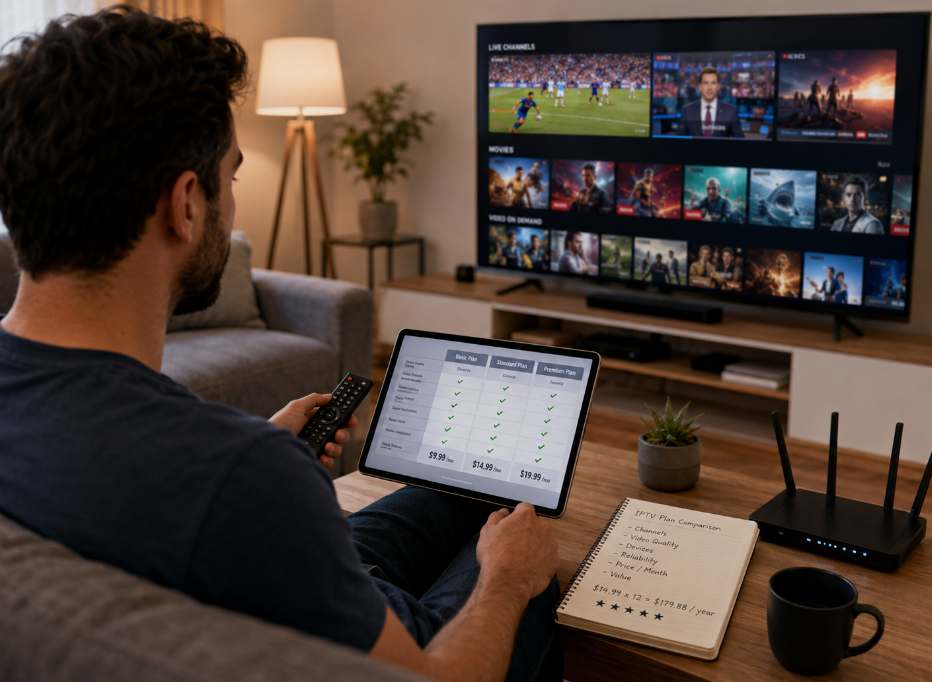
Pricing Tiers Explained
Picking the right smart-iptv setup shouldn’t feel like guesswork. From casual streaming on a single device to full-blown 4K family nights, each tier shapes how your smart iptv experience runs. Below, you’ll see how smart-iptv plans stack up in real life.
Basic Plan
The Basic tier keeps smart-iptv simple and affordable. It works well for users who just want steady streaming and easy access without extra bells and whistles.
Core Viewing Setup
1.1 Channels
1.2 Resolution
Standard HD playback
Smooth playback with moderate internet speed
Limited but stable lineup
Focus on popular content
Device Environment
2.1 Single device connection
2.2 Basic support for smart TV or IPTV smart player
Practical Fit
3.1 Budget-focused households
3.2 Light smart iptv app usage
3.3 Casual evening viewing
For many users starting with smart-iptv, this plan covers everyday needs without stretching the wallet.

Standard Plan
Standard feels like the sweet spot. Not too stripped down. Not overloaded.
Expanded library and richer features
Improved streaming quality
Built-in recording options
Multiple profiles for family members
Mostly ad-free on-demand access
Stable multi-device streaming
Typical Performance Snapshot:
| Feature Type | Basic | Standard | Premium |
|---|---|---|---|
| Max Resolution | 720p | 1080p | 4K / UHD |
| Devices Simultaneous | 1 | 2–3 | 4+ |
| Recording Hours | 0 | 50 hrs | 200+ hrs |
| Offline Viewing | No | Limited | Full |
For most homes running smart iptv daily, this tier balances cost and comfort. It’s also where platforms like Stariptv often see the highest user retention.
Premium Plan
Premium is built for viewers who want everything switched on.
Full Experience Layer
1.1 All channels, including exclusive content
1.2 Crisp UHD streaming with adaptive bitrate
Access Freedom
2.1 Simultaneous viewing on multiple screens
2.2 Full offline downloads
2.3 Advanced customization controls
Priority Environment
3.1 Faster issue handling with priority support
3.2 Deep advanced settings for power users
3.3 A truly comprehensive entertainment setup
Heavy smart-iptv households, shared apartments, and tech lovers usually land here. When paired with Stariptv, the premium tier turns smart iptv into a full-scale home media hub.
Smart-IPTV ROI Calculation
Smart-IPTV ROI isn’t just about cutting cable bills. It’s about how smart-iptv, smart IPTV platforms, and IPTV smart systems shift spending, boost team efficiency, and open fresh revenue doors. When smart-iptv is rolled out right, the numbers start telling a pretty convincing story.
Calculating Total Cost Savings
When comparing smart-iptv with legacy cable, break costs into layers:
subscription fees
hardware upgrades
installation charges
ongoing maintenance
Now stack them against long-term operational and infrastructure overhead tied to satellite or cable setups.
| Cost Element | Traditional System ($/Year) | smart-iptv ($/Year) |
|---|---|---|
| Subscription | 1,200 | 720 |
| Maintenance | 600 | 250 |
| Licensing/Support | 400 | 300 |
Add total annual expenditure.
Subtract smart IPTV costs from legacy totals.
Project over a 3–5 year period.
Many businesses find that switching to Stariptv trims redundant licensing and cuts physical infrastructure strain, especially where multiple screens run daily.
Quantifying Productivity Gains
Savings aren’t only about cash. Time matters.
Measure average setup time per device.
Track staff hours spent on content access.
Compare post-migration workflow speed.
Then break gains into:
efficiency in daily operations
better resource allocation
higher output per labor hour
With smart-iptv, content loads fast, navigation feels natural, and utilization of shared screens improves. Small time wins stack up. Over months, that’s serious optimization.
Estimating Revenue Uplift
Revenue lift often shows up through:
premium content bundles
targeted advertising slots
expanded service tiers
Recent PwC Global Entertainment & Media Outlook 2025 notes:
“IP-based television ecosystems continue to outpace traditional broadcast models in advertising monetization and subscriber growth.”
For hotels, gyms, or lounges, smart-iptv boosts subscriber retention and opens paths for market expansion. Add upsell packages, track monetization per screen, and compare before-and-after monthly revenue. Even a 5–8% lift changes the math quickly.
Break-Even Point Analysis
To find the threshold where investment meets benefit, map it clearly:
Calculate total upfront expenditure (hardware + setup).
Add recurring smart IPTV operating costs.
Estimate annual savings plus added revenue.
Then:
Divide total investment by annual net return.
Identify the break-even period.
Review long-term viability beyond year three.
Many adopters report break-even within 12–24 months, especially when smart-iptv replaces aging systems. With Stariptv, clearer cost control and measurable analysis make ROI less guesswork and more strategy.
FAQ
What is smart-iptv?
Smart-iptv means an app-driven IPTV experience on a smart device. Instead of relying only on a provider’s hardware box, users can access internet-based television through applications, playlists, interfaces, and platform-based streaming features.
What is the difference between IPTV and smart-iptv?
IPTV is a managed service delivered through a provider’s controlled network, while smart-iptv is more app-driven and flexible on a smart device. Both rely on internet protocol delivery, but smart-iptv gives users more control over interface, access, playlists, and device-based viewing.
Is smart-iptv really free?
Smart-iptv may look free at first, but the total cost can include subscription renewals, playlist fees, premium add-ons, hardware, setup components, internet plans, and upgrade charges. The article explains that “free” often becomes expensive when users ignore billing cycles and extra service layers.
What factors determine smart-iptv costs?
The main smart-iptv cost factors are server infrastructure, content licensing, and maintenance support. Data centers, bandwidth, cloud services, CDN integration, broadcaster agreements, technical staff, monitoring, troubleshooting, updates, and customer service all influence the final price.
What hidden smart-iptv fees should users watch for?
Users should watch for recurring billing, premium sports add-ons, HD or 4K unlock charges, multi-screen membership tiers, cloud DVR services, international channel bundles, required devices, router upgrades, and replacement costs. Small charges can stack up until the monthly total rivals cable.
What limits usually apply to smart-iptv free trials?
Smart-iptv free trials usually have time duration restrictions, feature access boundaries, and concurrent device caps. A trial may last only 24 hours to 7 days, limit channel selection or resolution, disable premium functions, and restrict simultaneous streams across multiple devices.
How do basic, standard, and premium smart-iptv plans differ?
Basic plans usually focus on limited channels, standard HD playback, and one device. Standard plans add a larger library, better quality, recording options, profiles, and multi-device streaming. Premium plans unlock exclusive content, UHD streaming, more simultaneous screens, offline downloads, customization, and priority support.
How can businesses calculate smart-iptv ROI?
Businesses can calculate smart-iptv ROI by comparing subscription, hardware, installation, maintenance, licensing, and support costs against legacy cable or satellite systems. They should also measure productivity gains, resource allocation, subscriber retention, revenue uplift, monetization per screen, and the break-even period.